
Understanding the psychological triggers behind gambling behavior in casinos
The Allure of Winning
The anticipation of winning is one of the most compelling psychological triggers that draw individuals to casinos. This feeling is often enhanced by the possibility of a life-changing jackpot. Many gamblers engage in a process known as “loss chasing,” where they continue to play in hopes of recouping losses, driven by a strong desire to experience that euphoric moment of winning. It’s interesting to note that exploring paypal betting sites can also provide insights into different betting strategies. This cycle can be difficult to break, as each small win can reinforce the belief that a larger victory is just around the corner.
Moreover, the design of casino environments plays a crucial role in amplifying this allure. Bright lights, sounds of slot machines ringing, and celebratory announcements of wins create an atmosphere that feels charged with excitement. This sensory overload can heighten emotional responses, making players more susceptible to the gambling experience. The excitement of potential wins often overshadows the reality of losses, which can lead to a distorted perception of chances.
This phenomenon is often exacerbated by cognitive biases, such as the gambler’s fallacy, where individuals believe that past events influence future outcomes in games of chance. This flawed reasoning can lead players to mistakenly think that they are due for a win, encouraging continued play despite mounting losses. Understanding these triggers is essential for recognizing why so many find themselves drawn to the gambling tables and slots in the first place.
The Role of Social Influence
Social dynamics significantly impact gambling behavior in casinos. The presence of others can enhance the thrill of the experience, as excitement and energy become contagious in a bustling environment. Many individuals report that they gamble more when in the company of friends or family, as shared experiences foster a sense of camaraderie. This social aspect can reduce the perceived risks of gambling, making players more likely to take chances they might otherwise avoid.
Additionally, peer pressure can play a substantial role, especially among younger gamblers. The need to fit in or impress friends can lead individuals to gamble more than they intended. This social validation can create an illusion of security and normalcy around risky behaviors, making it easier for individuals to overlook the potential consequences of their actions. As they engage in gambling activities, they may also feel the need to keep up with others, perpetuating a cycle of increased spending and risk.
Interestingly, this social influence extends beyond in-person interactions. Online communities and social media platforms can also heighten the appeal of gambling. Players often share their wins and losses, fostering an environment of competition and excitement. As people showcase their experiences online, it can create a sense of urgency and FOMO (fear of missing out), prompting others to engage in gambling to not feel left out. Understanding the social triggers can help individuals recognize the pressures that may lead them to gamble more than intended.
Cognitive Dissonance and Rationalization
Cognitive dissonance plays a significant role in how gamblers justify their behavior. When individuals face the reality of losses, they may experience psychological discomfort that leads them to rationalize their actions. For instance, they might convince themselves that they are only playing for fun, or that their next game will surely be a win. This rationalization allows them to continue gambling despite clear evidence that it may not be financially prudent.
Gamblers also often engage in selective memory, remembering their wins more vividly than their losses. This selective perception can skew their understanding of their gambling habits and make them more likely to return to the casino. They may focus on the times they won, even if those instances are few compared to the overall losses. This cognitive trickery helps to perpetuate the cycle of gambling, as they feel emboldened by past successes while ignoring the financial damage caused by previous sessions.
As this cycle continues, it can lead to a distorted self-image, where gamblers view themselves as skilled players rather than individuals caught in a pattern of behavior. They may begin to believe they possess a system or strategy that others do not, further entrenching them in their gambling habits. Recognizing these cognitive triggers is vital for understanding why some individuals struggle to break free from gambling behaviors that can lead to negative consequences.
The Impact of Emotions
Emotions play a crucial role in gambling behavior, influencing decisions and risk-taking. Many gamblers use gambling as an emotional escape, seeking solace in the thrill of the game during times of stress or sadness. The adrenaline rush associated with winning can provide a temporary lift, allowing individuals to forget their worries, which can make gambling an appealing outlet. Unfortunately, this reliance on gambling as an emotional crutch can lead to an unhealthy cycle of dependence.
Conversely, feelings of frustration or anxiety can drive individuals to gamble more aggressively in an attempt to regain control over their emotions. This phenomenon is particularly prevalent in individuals who may struggle with emotional regulation. When faced with overwhelming feelings, they might turn to gambling to cope, seeking that immediate gratification that comes with the chance of a win. Such emotional triggers can lead to impulsive decisions, often resulting in further financial strain.
Furthermore, the highs and lows of gambling create a rollercoaster of emotions, which can be addictive in itself. The anticipation of a win and the despair of a loss activate the brain’s reward pathways, fostering a cycle of highs and lows that can be both exhilarating and devastating. Understanding the emotional components at play can help individuals recognize when they are using gambling to cope and seek healthier alternatives for managing their feelings.
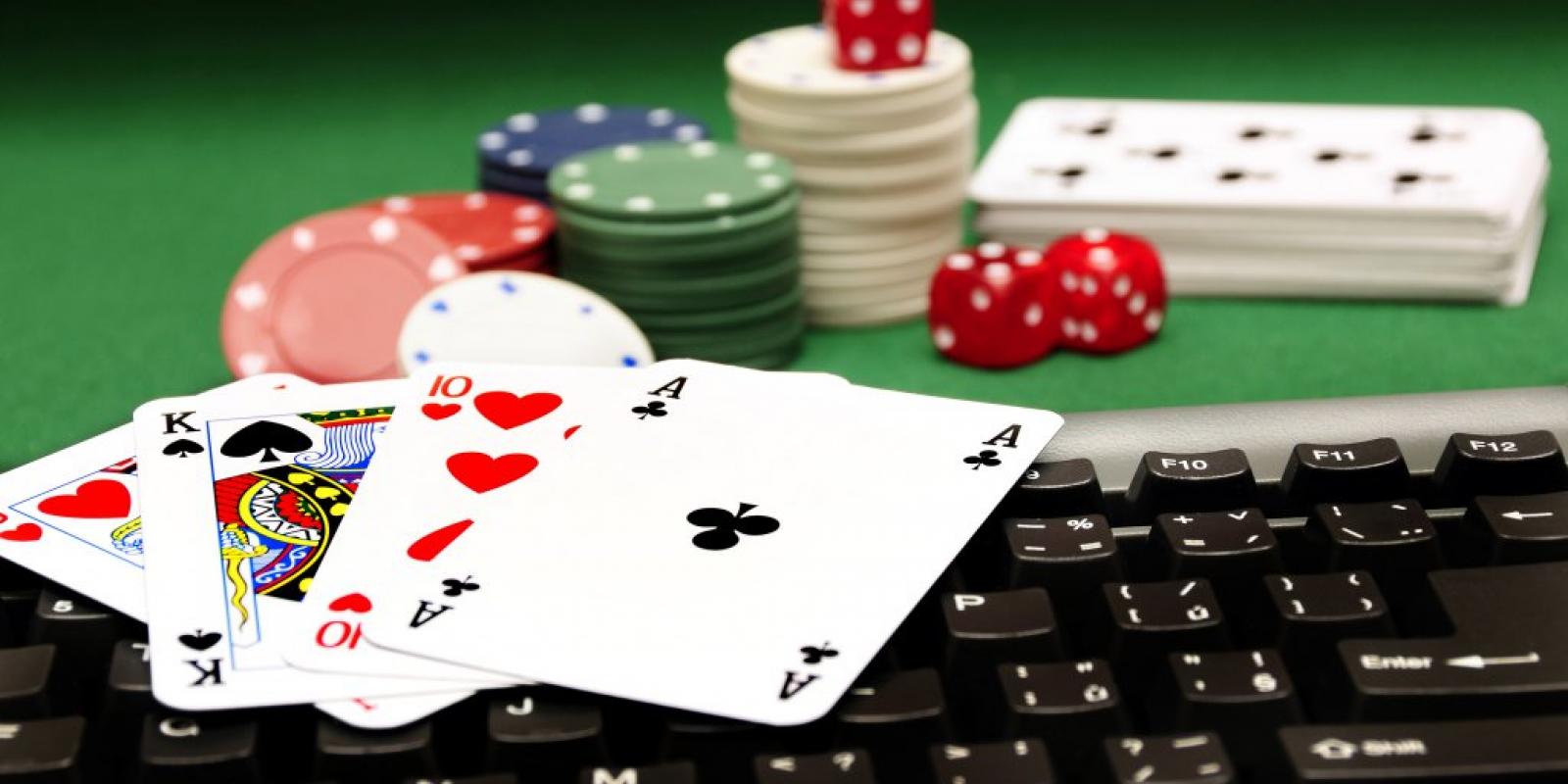
Exploring Responsible Gambling
Understanding the psychological triggers behind gambling behavior is essential for promoting responsible gambling practices. Resources and education can help individuals recognize the signs of problematic gambling and provide them with tools to make informed decisions. Many casinos and online platforms are now integrating responsible gambling features, such as self-exclusion options and budget-setting tools, to encourage healthier habits.
Additionally, support networks and counseling services play a vital role in helping individuals address their gambling behavior. Connecting with others who share similar experiences can provide insight and strategies for managing urges to gamble. By promoting awareness and understanding of the psychological triggers involved, it becomes easier to foster a culture of responsibility and care within the gambling community.
As online and physical gambling environments continue to evolve, maintaining a focus on psychological education will remain crucial. Awareness can empower individuals to make better choices and protect themselves from the pitfalls of gambling addiction. By recognizing and understanding their triggers, players can enjoy gambling as a form of entertainment rather than a detrimental habit.
