
Understanding the psychology behind gambling choices in casinos
The Allure of Risk: Why People Gamble
The thrill of gambling often stems from the inherent risk involved. Human psychology is wired to seek out excitement and novelty, which gambling provides in abundance. This thrill-seeking behavior can be linked to the brain’s reward system, where the anticipation of winning triggers dopamine release, leading to feelings of pleasure. In this context, players can explore an exciting platform like https://prizelandbingocasino.co.uk/, where the exhilarating experience of placing a bet might draw them in.
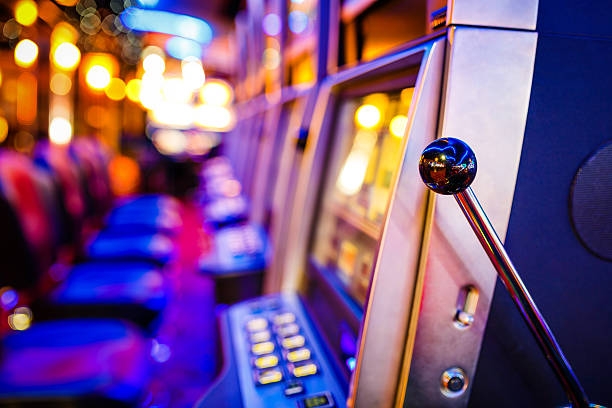
Moreover, the unpredictability of gambling outcomes intensifies this allure. The chance of winning large sums of money or hitting the jackpot can create a compelling narrative that entices individuals. This narrative, often fueled by stories of big wins, reinforces the belief that fortune could be just one spin or hand away. Consequently, this creates a cycle where the pursuit of that next big win becomes a driving force behind continued gambling behavior.
Additionally, social factors play a crucial role in gambling choices. Many people enjoy gambling as a social activity, sharing the excitement of the experience with friends or family. The communal atmosphere found in casinos, coupled with the excitement of competing against others, enhances the overall thrill. This social reinforcement can lead to more frequent gambling, as individuals may feel encouraged by their peers to continue playing despite the odds being stacked against them.
Cognitive Biases in Gambling Decisions
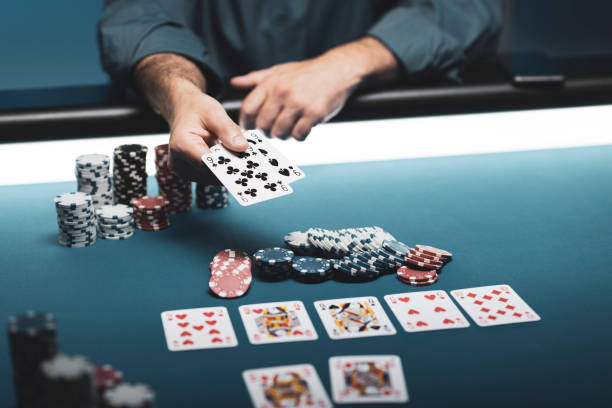
Cognitive biases significantly influence gambling choices, often leading individuals to make irrational decisions. One prevalent bias is the illusion of control, where gamblers believe they can influence random outcomes through their actions or strategies. For instance, players might think that their betting patterns or rituals can affect the game, which may lead them to continue gambling even when the odds are against them. This illusion is particularly evident in games like blackjack or poker, where skill is perceived to play a role.
The gambler’s fallacy is another cognitive bias that can lead to poor decision-making. This fallacy is the belief that past outcomes can predict future events in games of chance. A player might think that after a series of losses, a win is “due,” prompting them to increase their bets. This misunderstanding of probability not only affects individual decisions but can also lead to significant financial losses, as gamblers chase their perceived luck.
Furthermore, confirmation bias reinforces these detrimental beliefs. Gamblers often focus on their wins and downplay their losses, which creates a skewed perception of their success in gambling. This selective memory can encourage continued gambling despite evidence suggesting it may be detrimental. By only recalling instances of winning, individuals are more likely to engage in reckless gambling behavior, perpetuating the cycle of risk and reward.
Emotional Factors: The Role of Mood and Stress
Emotional states play a substantial role in gambling choices, influencing not only the decision to gamble but also the manner in which individuals engage with games. People often turn to gambling as a means of coping with stress, boredom, or negative emotions. The temporary escape that gambling provides can be appealing, and for some, it becomes a strategy to manage their feelings. This emotional connection to gambling can lead to an increased likelihood of engaging in risky behavior.
Moreover, the excitement and adrenaline associated with gambling can create a high that individuals may seek out repeatedly, especially during challenging times. This cyclical relationship between emotions and gambling can lead to problematic gambling patterns, where individuals may increase their betting amounts in an attempt to chase that initial high. The interaction between emotional well-being and gambling behavior illustrates the complex psychology at play.
In addition, positive emotions can also drive gambling choices. Celebratory events, such as birthdays or anniversaries, often incorporate gambling as a form of entertainment. When individuals associate gambling with positive experiences, they may be more inclined to participate in the future. This intertwining of emotions and gambling decisions highlights how deeply psychological factors can affect an individual’s gaming habits.
The Influence of Casino Design and Marketing
Casinos are designed with a keen understanding of psychology, employing various strategies to maximize player engagement. The layout, lighting, and sound design of a casino create an immersive environment that encourages players to spend more time gambling. For instance, bright lights and enticing sounds can create a euphoric atmosphere, distracting players from the reality of their spending. This sensory overload can lead to impulse decisions, resulting in higher betting amounts and longer gaming sessions.
Marketing strategies also play a significant role in influencing gambling choices. Promotions, bonuses, and loyalty programs are crafted to attract and retain players, often exploiting psychological triggers. Casinos utilize techniques such as the scarcity principle, highlighting limited-time offers to create urgency. This pressure can compel players to make hasty decisions, driven by the fear of missing out on perceived opportunities.
Furthermore, the strategic placement of slot machines and table games contributes to the decision-making process. Casinos often position high-yielding games near entrances or popular areas to capture attention. This careful arrangement encourages players to engage with these games more frequently, heightening their gambling experiences. The synergy between design, marketing, and psychological factors underscores the intricate dynamics at play in gambling environments.
Discovering Responsible Gaming at Prize Land Bingo Casino
At Prize Land Bingo Casino, understanding the psychology behind gambling choices is central to fostering a responsible gaming environment. The platform offers a variety of games, including bingo and slots, designed to provide an engaging yet secure experience for players. The casino prioritizes responsible gambling practices, ensuring that players can enjoy their gaming adventures without risking their well-being. They provide resources and support for those who may need assistance in managing their gambling habits.
By focusing on a user-friendly interface and seamless navigation, Prize Land Bingo Casino aims to enhance the gaming experience while promoting safe practices. This commitment to responsible gaming is complemented by exemplary customer support, fast payouts, and regular promotions. The casino’s dedication to creating a secure gaming environment aligns with the understanding that the psychological aspects of gambling must be addressed to ensure an enjoyable experience for both new and seasoned players.
Ultimately, exploring the psychology behind gambling choices is essential for both players and operators. Prize Land Bingo Casino stands at the forefront of promoting awareness and education around these psychological factors, allowing players to make informed choices. By fostering a responsible gaming culture, the casino not only enriches the gaming experience but also helps players maintain control over their gambling activities.
